

Celebrating artists from the LGBTQIA+ community
June is celebrated as Pride Month to coincide with the anniversary of the Stonewall Riots, which took place on this day (28th June) in 1969. Pride Month often features marches and events to create a safe space for those who identify as part of, or ally with, the community, celebrating LGBTQIA+ identities and raising awareness for queer rights.
Throughout history, members of the LGBTQIA+ community have made valuable contributions to society, through music, fashion and most notably, art. To celebrate the anniversary of Stonewall now known as the event that sparked the first pride parades were showcasing the works of our 5 favourite queer artists.
Andy Warhol
Andy Warhol (1928–1987) transformed modern art with his bold embrace of celebrity, consumerism, and queer identity. Rising from Pittsburgh to New York’s art scene, he pioneered Pop Art with works like Campbell’s Soup Cans and Marilyn Diptych, blurring the line between advertising and fine art.
His studio, The Factory, became a creative sanctuary for artists, drag queens, and performers, many of whom were openly queer or trans at a time when visibility was rare. Warhol’s own sexuality informed much of his work, from intimate Polaroids of male lovers to his Ladies and Gentlemen series celebrating drag culture.
Warhol’s art was about desire, fame, and vulnerability as much as repetition and mass media. Today, his influence is everywhere—from fashion and advertising to contemporary queer art making him not only the face of Pop Art but also a lasting symbol of queer creativity and cultural disruption.

David Hockney
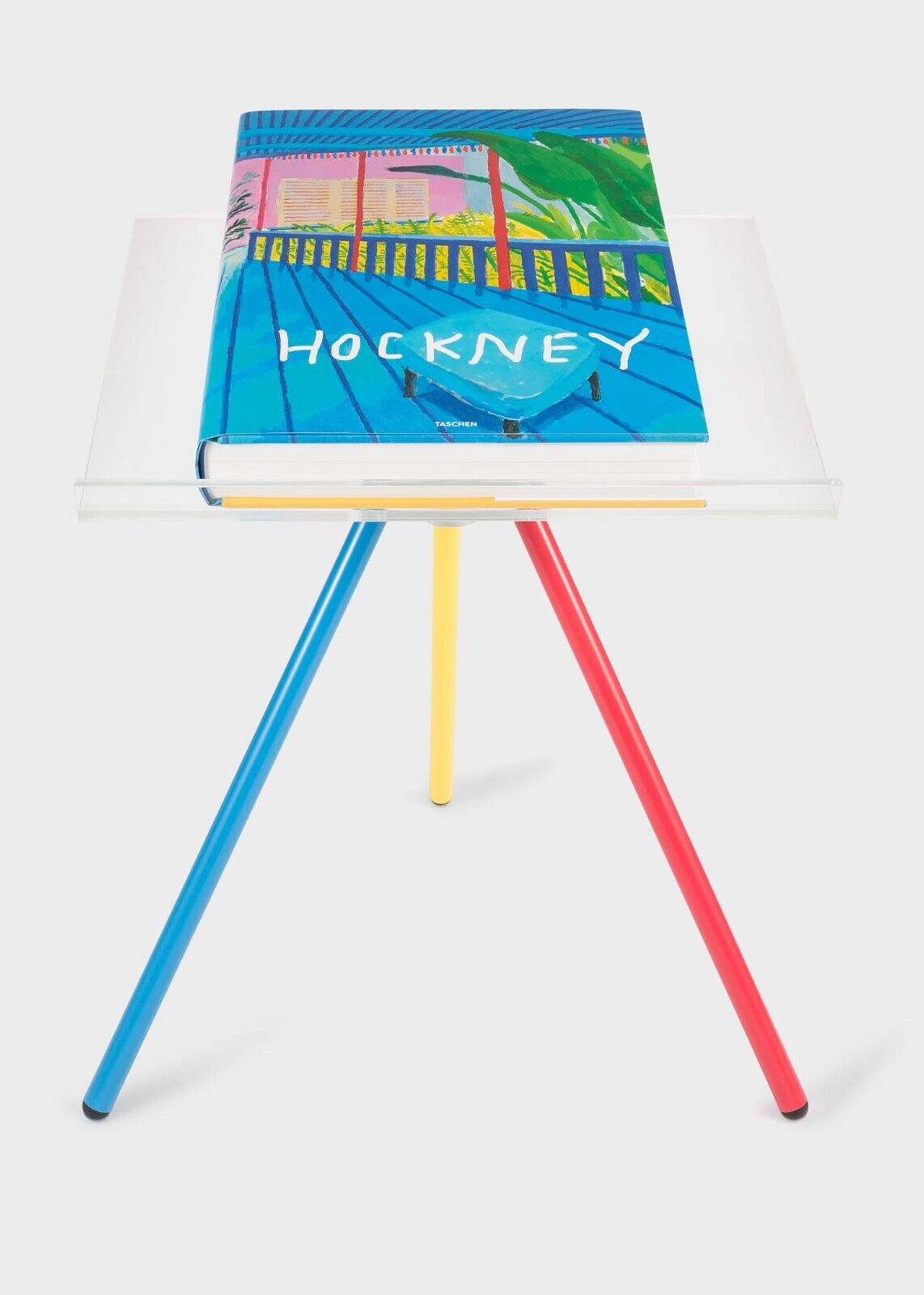
Born in Yorkshire, David Hockney is showing no signs of stopping creating at the age of 87. Recognised as one of the most impactful British artists of the 20th and 21st centuries, Hockney is celebrated for his contributions to pop art. As an openly gay artist, this aspect of his identity is often reflected in many of his creations.
Hockney came out as gay at the age of 23, seven years before homosexual acts in Britain were decriminalised by the Sexual Offences Act 1967. His sexuality can be seen in notable works such as We Two Boys Together Clinging (1961) and Domestic Scene, Los Angeles (1963), signifying his pride for his sexuality and success as an artist.
Hockney’s works can be found at prestigious galleries across the world, including the Tate and National Portrait Gallery in London, the Pompidou Centre in Paris, and the Art Institute of Chicago. Some of his pieces have sold for millions at auction, with his newer iPad drawings becoming the most successful segment of his print market in recent years.
Jean Michel Basquiat
Jean-Michel Basquiat (1960–1988) exploded onto New York’s art scene in the late 1970s, moving from graffiti under the tag SAMO to international acclaim in galleries. His raw, neo-expressionist paintings combined text, symbols, anatomy, and bold colour to critique power, race, and inequality.
Open about his bisexuality, Basquiat’s work often carried an undercurrent of identity and vulnerability, reflecting both his Caribbean heritage and queer experience. His collaborations with Andy Warhol further cemented his place in contemporary culture.
Though his career was tragically brief, Basquiat’s art continues to influence fashion, music, and queer culture, ensuring his legacy as one of the most powerful voices of modern art.

Keith Haring
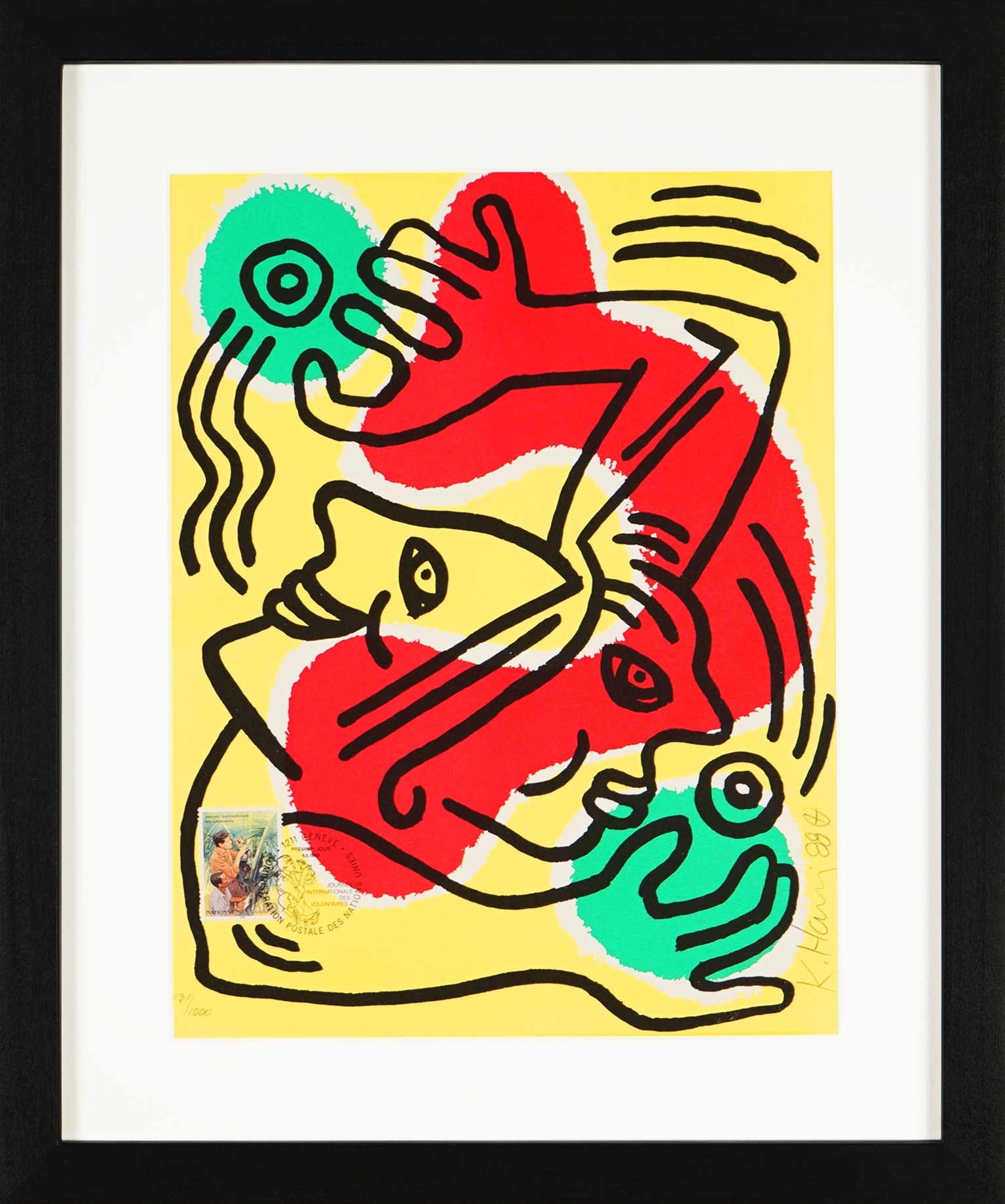
It’s impossible to mention pioneering queer artists without talking about Keith Haring. Bursting onto the New York graffiti scene of the 1980s, Haring literally left his mark on the city by utilising blank subway advertisement boards to showcase his white chalk drawings. Progressing onto exhibitions at Club 57 and the Tony Shafrazi Gallery, Haring maintained his politically-motivated artwork, which by 1986 had begun to reflect themes such as AIDS-awareness and nuclear disarmament.
As an openly-gay artist, Haring recognised his works’ power for advocacy, creating pieces that would generate awareness and activism. After being diagnosed with HIV in 1987 and AIDS in 1988, Haring devoted the last years of his life to creating artwork that promoted safe-sex and educated the public on what was considered a taboo illness at the time. His most notable works from this time include his 1989 Barcelona mural “Todos Juntos Podemos Parar el SIDA” (“Together We Can Stop AIDS”), and “Once Upon a Time…”, painted in a men’s bathroom. Of his AIDS-themed work, Haring stated: “when AIDS became a reality in terms of my life, it started becoming a subject in my paintings. The more it affected my life the more it affected my work.”
Despite Haring’s untimely death at the age of 31 in 1990, his legacy as an openly-gay artist lives on more than a quarter-century later, thanks to his commitment to raising awareness of AIDS in a time when many feared and didn’t understand the disease. His instantly recognisable creations are still successful today, featuring in fashion collaborations and selling above their auction estimates.
Mickalene Thomas
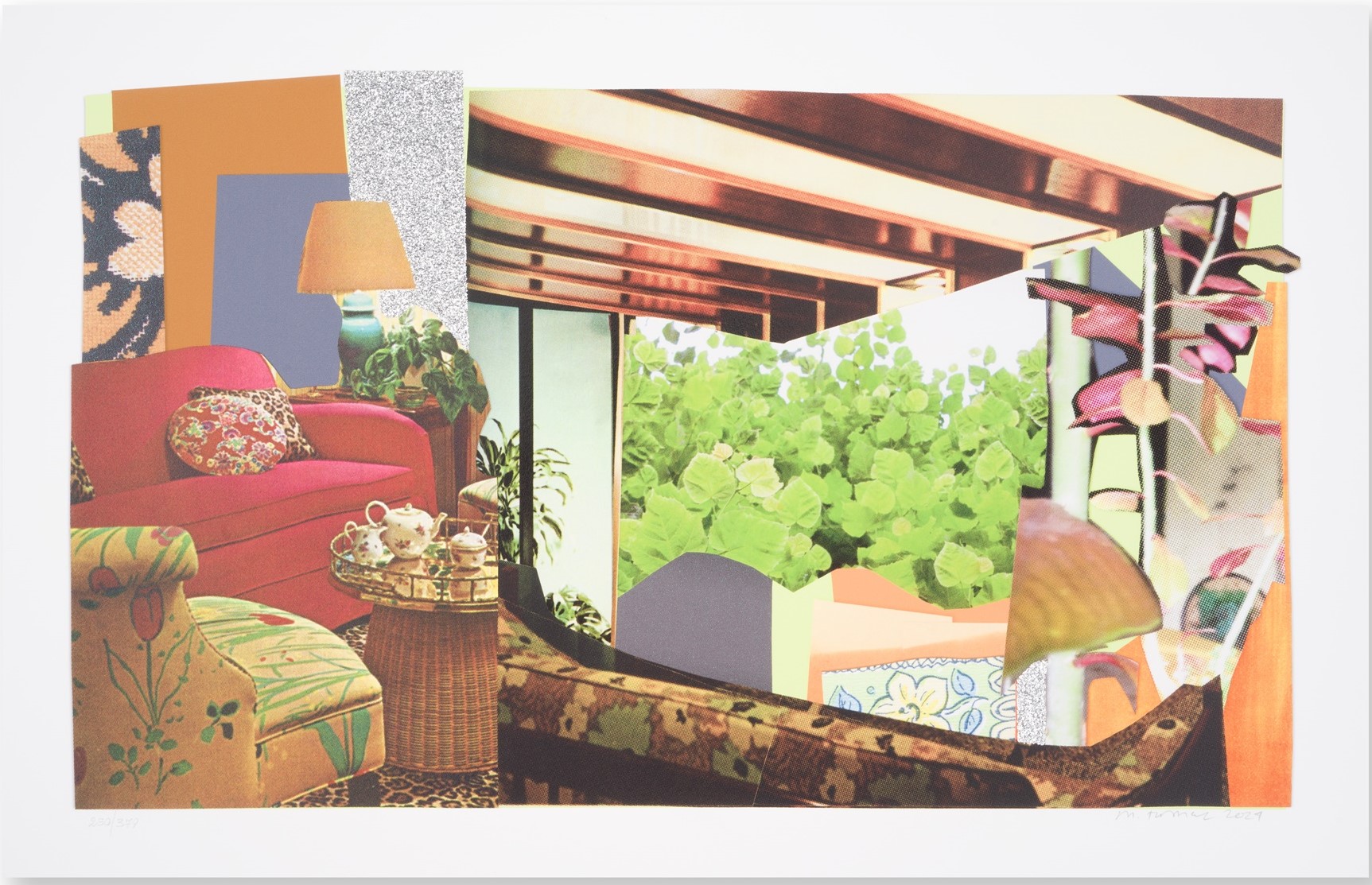
Mickalene Thomas is a well-known African-American artist, famous for her detailed paintings using rhinestones, acrylic, and enamel. Her collages are inspired by art movements like Impressionism, Cubism, Dada, the Harlem Renaissance, and works by Afro-British painter Chris Ofili. Thomas’s art explores themes of femininity, beauty, race, sexuality, and gender, drawing from Western art history and pop culture.
Thomas proudly identifies as an out lesbian. She launched support network The Josie Club with her former partner and collaborator Racquel Chevremont, which aimed to empower and fundraise for queer female artists of color, showing her commitment and support for the LGBTQIA+ community. Her work not only challenges traditional narratives but also celebrates diversity and representation in the art world. With her vibrant compositions and bold use of materials, Mickalene Thomas reclaims space for marginalized voices, sparking a dialogue that encourages viewers to reflect on societal norms and their own identities.
Beyond her visual artistry, Thomas has ventured into film and multimedia projects, broadening her creative expression even further. Her dedication to building community and mentoring others shines through in her involvement with various educational and cultural initiatives. By continually pushing boundaries and blending diverse artistic influences, Mickalene Thomas has firmly established herself as a transformative force in contemporary art.
This is nothing more than our expert opinion from some of our research team and members of staff!